Keloids are single or multiple dense, thick nodules, typically found at areas of previously injured skin (burns, lacerations), or they may arise spontaneously on normal skin. Over weeks to months, these nodules can become painful, tender, itchy (pruritic), and grow to become very large. Keloid in Post pelvic surgery scar
Most patients start developing Keloids in their 20s. Keloids are most frequent in blacks and individuals of Mediterranean ancestry, but they can appear in people of any race.
Keloids are usually seen on the neck, ear lobes, legs or arms, and on the upper trunk, especially the chest. They frequently follow the lines of injury. Spontaneous keloids are common on the mid-chest. Keloids are smooth and shiny, firm to the touch, red, hyperpigmented or skin-colored nodules. Keloids may develop claw like projections that extend beyond the area of injury.
Seek medical evaluation if keloids become bothersome or symptomatic.
Keloids are extremely difficult to treat, but your doctor may try the following:
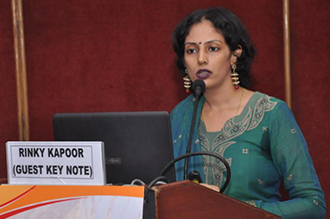
The treatment cost is dependent upon the mode of treatment chosen. If you choose to go for Laser treatment, it would cost you more as compared to a surgery. This is because, a laser therapy may require multiple sessions. In general, a consultation with Dr. Rinky Kapoor is chargeable at INR 1000/-.
For more information on Dr. Rinky Kapoor’s work, click on: theestheticclinic.com/dr-rinky-kapoor.html
The Esthetic Clinic is a world class center dedicated to skin care and plastic surgery of the entire body – and specializes in housing an experienced Dermatologist, Dr. Rinky Kapoor, who can provide world class Skin Treatments, for skin diseases and make your skin look beautiful. So if you want to go ahead and get your hair, skin, and nails treated, The Esthetic Clinic is the right place for you.
A lot of our patients visit us from Hyderabad, New Delhi, Chennai, Bangalore, Kolkata, Pune, Ahmedabad, Chandigarh, Jaipur, Nagpur, Kolhapur, Cochin, Trichy, Bhopal, Indore, Assam, Manipur, Mizoram and many other cities in India. Many of our consumers (medical tourism) also come in from the USA, Singapore, Dubai, Qatar, Canada, Nigeria, Kenya, Mauritius, UK, South Africa and many other top countries in the world.
Locally, from Mumbai and the surrounding areas, we cater to consumers from Thakur Village, Thakur Complex, Kandivali, Borivali, Dahisar, Andheri, Dadar, Malad, Powai, South Mumbai, Worli, Thane, Bandra, Santacruz, Chembur, Navi Mumbai, Mira Road, Bhayender, Vashi, Panvel, as we have multiple centers in Mumbai.





All Rights Reserved © 2022 The Esthetic Clinics | Privacy Policy | Terms of Use | Payment Policy